Indiana's hotel landscape stretches from the lakeside resorts of Syracuse to the heritage-rich river towns of Vincennes, offering travelers a range of stays rooted in regional character. Whether you're tracing the Lincoln heritage trail, attending a Notre Dame game, or exploring Amish Country near Rushville, where you stay in Indiana directly shapes the experience. This guide covers 10 hotels across the state that combine historical context, practical amenities, and strong value for travelers who want substance over style.
What It's Like Staying in Indiana
Indiana is a state of genuine contrasts - from the dense urban grid of Indianapolis to the quiet lakeside towns of the north and the agricultural flatlands of the south. Vincennes, the oldest city in Indiana, carries a documented history dating to French colonial settlement in 1732, making the southwestern corridor one of the most historically textured regions in the Midwest. Transport between cities relies almost entirely on personal vehicles or rental cars, as intercity bus and rail options are limited outside of Indianapolis. Crowd patterns vary dramatically by region: the South Bend area spikes during Notre Dame football season, while lake towns like Syracuse peak in summer months. Travelers interested in heritage sites, Civil War history, or Amish culture will find Indiana consistently rewarding, while those expecting coastal scenery or a dense urban cultural scene may find the pace slower than expected. Gas prices and driving distances are the two practical realities that shape every Indiana itinerary.
Pros:
- Rich multi-era historical depth - French colonial, Civil War, and Native American heritage are all accessible within a single state
- Significantly lower hotel rates compared to comparable Midwest destinations like Chicago or Cincinnati
- Easy road access to major attractions with minimal congestion outside of Indianapolis rush hours
Cons:
- Limited public transportation between cities makes a rental car essentially mandatory
- Some historically significant small towns have very limited dining and entertainment options after 9 PM
- Weather extremes - hot, humid summers and cold, icy winters - can affect comfort and road conditions
Why Choose Historical Hotels in Indiana
Historical hotels in Indiana tend to occupy either restored heritage buildings in older town centers or full-service resorts that have been operating on the same grounds for decades, giving them a sense of place that generic chain properties cannot replicate. In towns like Vincennes and Logansport, properties positioned near courthouses, river districts, and heritage trails allow guests to walk directly into the historical narrative rather than driving to it. Rates at Indiana's historically positioned hotels typically run around 30% lower than comparable properties in Illinois or Ohio, making them a strong value proposition for history-focused travelers. Room sizes tend to be more generous than urban boutique hotels, though some older properties may show their age in bathroom fixtures or HVAC systems. The trade-off is clear: you gain character and proximity to heritage sites, but may sacrifice the polished uniformity of a modern brand build. Business amenities like conference centers are more common than expected, as many of these properties have historically served as community gathering points.
Pros:
- Properties are frequently located within walking distance of courthouses, museums, and historic districts
- Lower nightly rates than comparable stays in neighboring states, with breakfast often included
- Many properties offer larger room footprints and full kitchens, useful for multi-night heritage itineraries
Cons:
- Older building infrastructure can mean less soundproofing and variable HVAC performance
- Limited on-site dining options in smaller towns like Connersville or North Vernon
- Some properties are positioned far from major highways, adding drive time between heritage stops
Practical Booking & Area Strategy
Indiana's most strategically positioned historical stays cluster around three corridors: the southwestern river towns (Vincennes, Princeton), the north-central lakes region (Syracuse, Plymouth, Wabash), and the southeastern heritage belt (Rushville, Connersville, North Vernon, Logansport). Booking at least 6 weeks in advance is advisable for stays near Notre Dame Stadium in South Bend during the fall football season, when rooms within 50 km of campus sell out rapidly and rates spike significantly. For Amish Country access near Rushville, positioning yourself in the eastern Indiana corridor allows same-day visits to Shipshewana and Nappanee without adding more than an hour of driving. The Honeywell Center in Wabash draws regional arts audiences, making weekends during performance seasons notably busier. Lake Wawasee near Syracuse is Indiana's largest natural lake and draws summer visitors from Chicago and Fort Wayne, so July and August bookings require early action. For travelers focused purely on Civil War and French colonial history, Vincennes offers the densest concentration of sites - the George Rogers Clark National Historical Park, Indiana Territory Capitol, and Grouseland - all within a short walk of each other.
Best Value Historical Stays
These properties offer strong practical value across Indiana's smaller heritage towns, with included breakfast, free parking, and proximity to regional historical sites making them reliable bases for multi-stop itineraries.
-
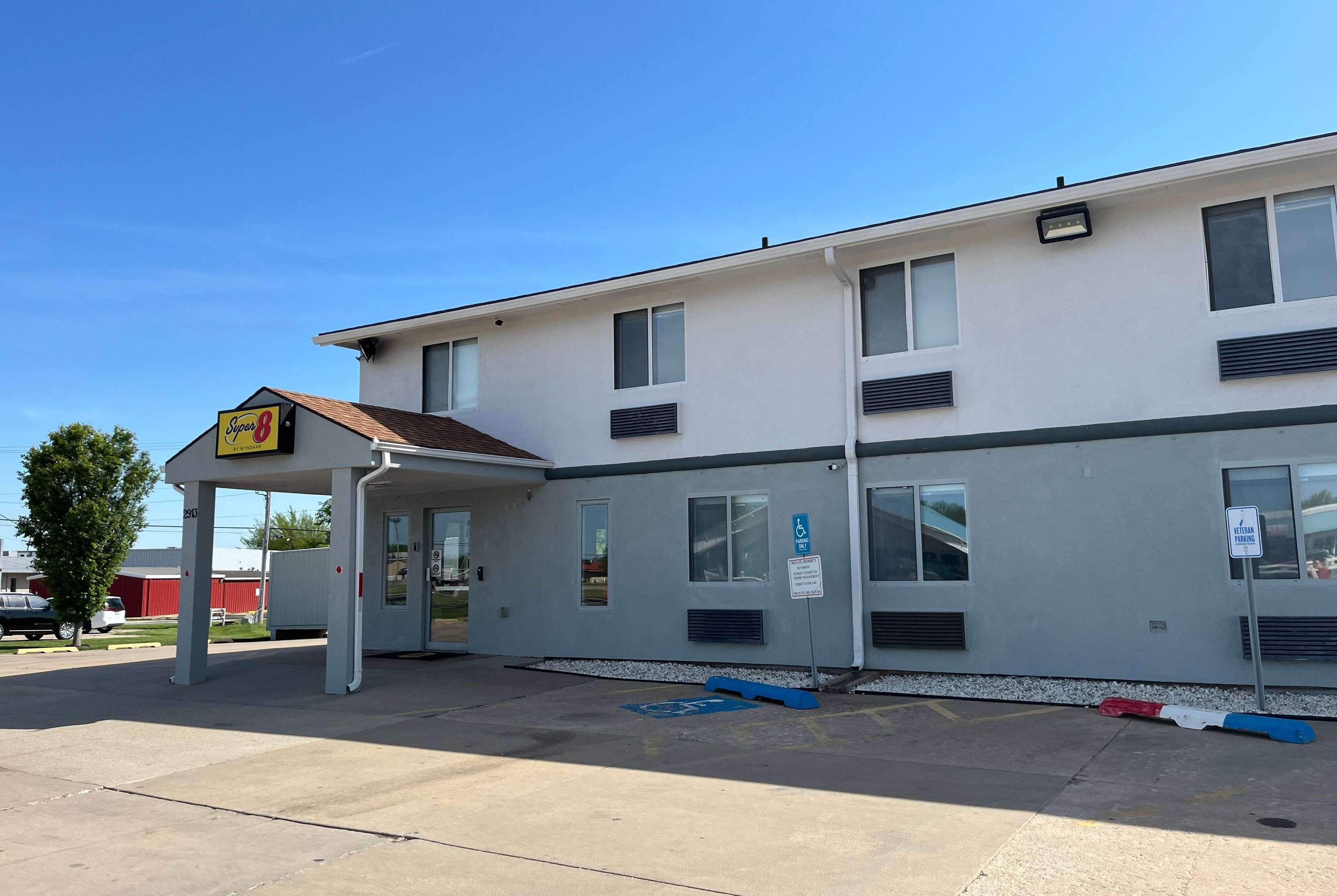
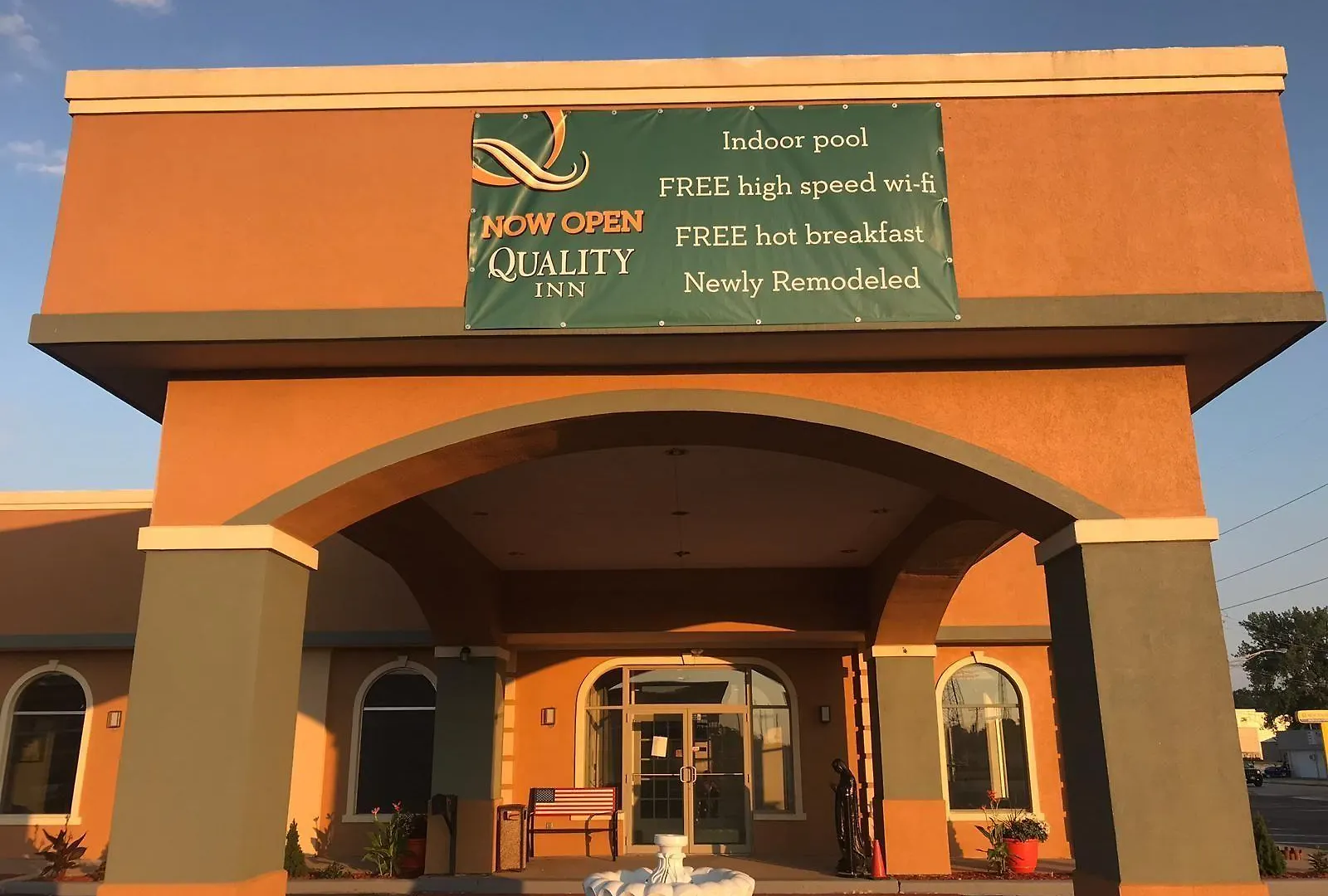
1. Quality Inn Vincennes
Show on map


 Check-infrom 15:00 until 23:59Check-outuntil 11:00
Rooms filling fast – secure the best rate!
fromUS$ 49
-
2. The Woodridge Inn
Show on map


 Check-infrom 15:00 until 23:59Check-outuntil 11:00
Rooms filling fast – secure the best rate!
fromUS$ 96
-
3. Quality Inn North Vernon
Show on map


 Check-infrom 15:00 until 23:59Check-outuntil 11:00
Rooms filling fast – secure the best rate!
fromUS$ 107
-
4. Quality Inn & Suites Near Amish Country
Show on map


 Check-infrom 15:00 until 23:59Check-outuntil 11:00
Just a few rooms left at the best rate!
fromUS$ 87
-
5. Quality Inn Conference Center Logansport
Show on map


 Check-infrom 15:00 until 23:59Check-outuntil 11:00
Best price guarantee
fromUS$ 97
-
6. Holiday Inn Express Princeton By Ihg
Show on map


 Check-infrom 15:00 until 23:59Check-outuntil 11:00
Hurry – almost gone at this price!
fromUS$ 124
Best Mid-Range and Premium Historical Stays
These properties offer enhanced amenities - resort settings, branded Marriott accommodations, spa facilities, and lakeside access - making them the strongest options for travelers who want more than a functional overnight stop in Indiana.
-
7. Oakwood Resort
Show on map


 Check-infrom 15:00 until 23:30Check-outuntil 11:00
Hurry – almost gone at this price!
fromUS$ 109
-
2. Towneplace Suites By Marriott Vincennes
Show on map


 Check-infrom 16:00 until 23:59Check-outuntil 12:00
Just a few rooms left at the best rate!
fromUS$ 144
-
3. Comfort Suites Plymouth Near Us-30
Show on map


 Check-infrom 15:00 until 23:59Check-outuntil 11:00
Just a few rooms left at the best rate!
fromUS$ 89
-
4. Holiday Inn Express Hotel & Suites Wabash By Ihg
Show on map


 Check-infrom 15:00 until 23:59Check-outuntil 11:00
Hurry – almost gone at this price!
fromUS$ 159
Smart Timing and Booking Advice for Indiana
Indiana's travel calendar is dominated by two distinct peaks: the college football season centered on Notre Dame (September through November) and the summer lake season in the north (July and August around Lake Wawasee and the Chain O'Lakes area). Booking 8 weeks ahead for Notre Dame game weekends is not a precaution - it is a necessity, as properties within 50 km of South Bend routinely sell out months in advance. For heritage-focused travel to Vincennes, Logansport, or Rushville, late spring (April-May) and early fall (September-October) offer the most favorable conditions: mild temperatures, manageable crowds, and rates that run noticeably lower than peak summer. Winter travel to Indiana's smaller heritage towns is possible but comes with real trade-offs - several outdoor historical sites reduce their hours or close entirely from December through February, and ice on secondary roads can complicate driving itineraries. Amish Country near Shipshewana operates on a distinct calendar, with the famous flea market running Tuesday and Wednesday from May through October, making Tuesday night stays in the Rushville or Connersville corridor worth planning for specifically. For resort stays like Oakwood on Lake Wawasee, mid-week arrivals in June tend to offer the best balance of good weather and lower occupancy before the July peak arrives.