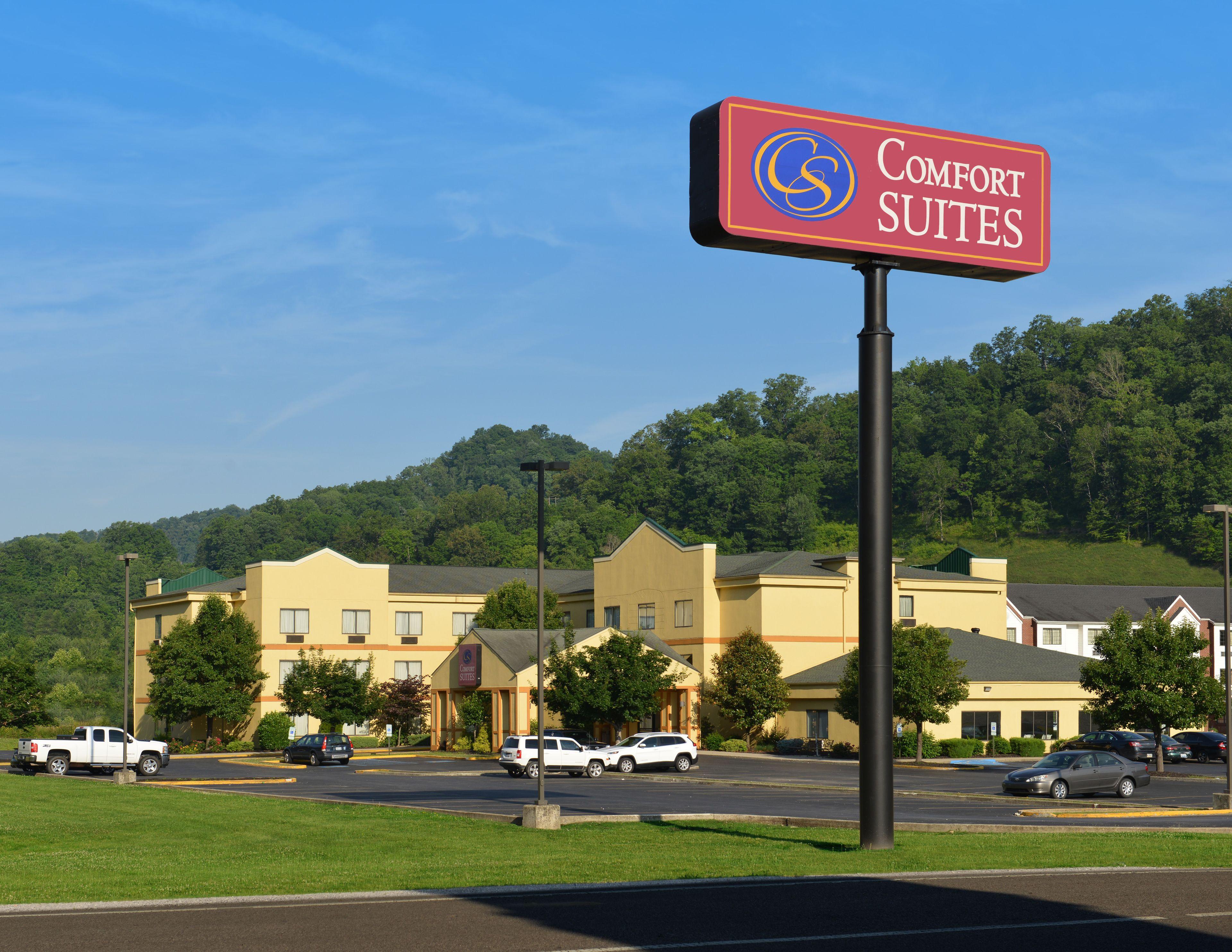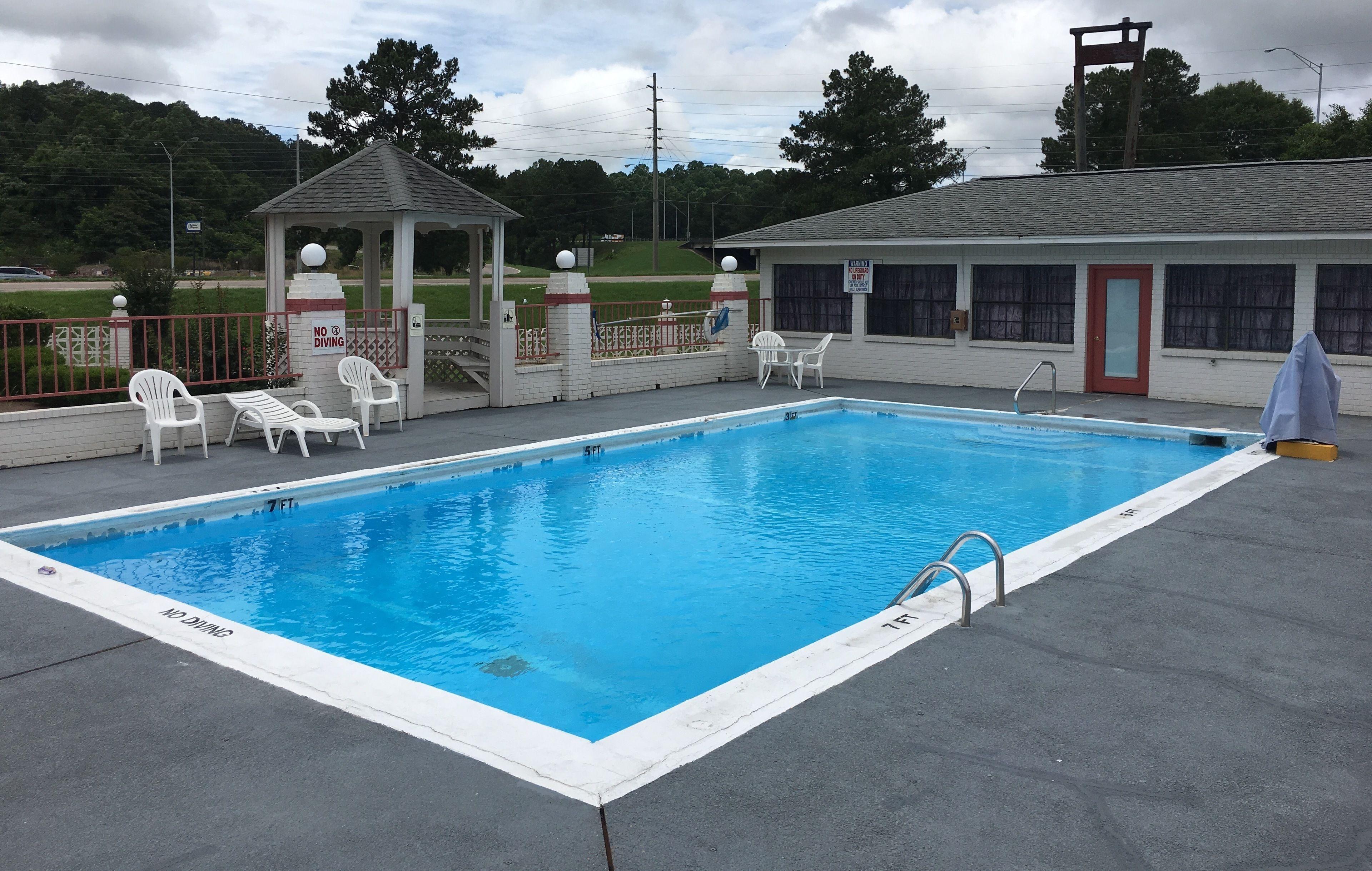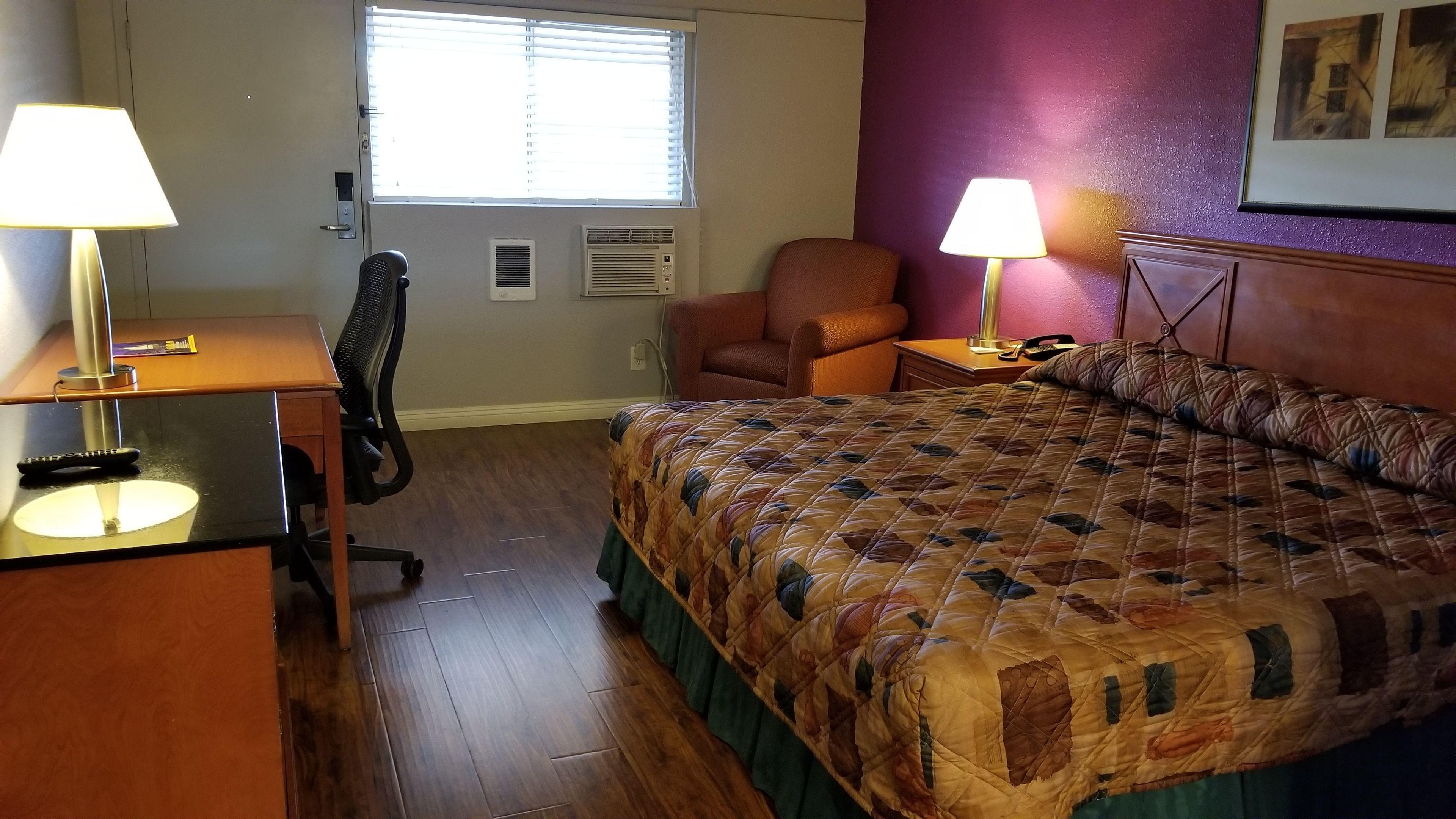
Willamette Valley stretches over 150 miles through Oregon's heartland, connecting Portland's southern suburbs to Eugene in the south, passing through wine country, college towns, and agricultural landscapes that draw a steady mix of wine tourists, university visitors, and road trippers. Whether you're base-camping for Pinot Noir tasting tours, visiting the University of Oregon, or simply cutting through on I-5, choosing the right budget hotel here means understanding how spread out the valley really is - and positioning yourself accordingly.
What It's Like Staying in Willamette Valley
Willamette Valley is not a compact urban destination - it's a 150-mile corridor where towns like Eugene, Salem, and Tigard each serve distinct traveler needs. Getting between the valley's key stops without a car is nearly impossible, as public transit is limited outside of Eugene and Portland's southern edge. Crowd patterns shift dramatically by season: harvest season from September through November floods wine country roads, while summer brings steady university and outdoor recreation traffic.
Staying here rewards travelers who want access to both Portland's metro amenities and the valley's rural wine and nature experiences without paying city-center rates. Those expecting walkable urban neighborhoods or dense dining scenes in every town will likely be disappointed outside of Eugene and Tigard's commercial corridors.
Pros:
- Significantly lower nightly rates compared to Portland city-center properties, often around 40% less for comparable room quality
- Direct I-5 freeway access from most towns makes day trips to Portland, Salem, and Eugene fast and predictable
- Proximity to over 500 wineries concentrated between McMinnville and Salem, making it Oregon's most wine-dense region
Cons:
- A car is non-negotiable - no town in the valley outside Eugene offers meaningful walkability for visitors without personal transport
- Harvest season (September-November) compresses hotel availability sharply, especially near wine country towns
- Dining options near budget hotels in smaller towns like Sublimity are sparse, requiring short drives for most meals
Why Choose Budget Hotels in Willamette Valley
Budget hotels in Willamette Valley are primarily motel-style properties positioned along I-5 and state highways, built for practicality over atmosphere. Most properties in this category run between $60 and $90 per night, which represents strong value when you factor in the free parking that virtually every budget property in the valley includes - a meaningful cost offset compared to Portland's paid parking environment. Room sizes tend to be compact but functional, with queen or double configurations that work for solo travelers and couples, though families needing extra space should check for suite availability specifically.
The trade-off in this category is atmosphere: these hotels prioritize highway access and price efficiency over design, lobby experience, or on-site dining. Free WiFi and free parking are nearly universal in this segment, which meaningfully reduces trip costs for road-trippers. Travelers expecting boutique aesthetics or resort-style facilities will find this category underwhelming, but for anyone using their hotel primarily as a sleep-and-recharge base, the value proposition is hard to beat in this region.
Pros:
- Free parking is standard across virtually all budget properties in the valley, eliminating a cost that adds up quickly on multi-night stays
- Highway-adjacent positioning makes early-morning departures and late arrivals logistically simple without navigating town centers
- Some properties include breakfast or in-room coffee and microwave setups, reducing daily meal spending
Cons:
- Highway noise is a real factor at many properties - rooms facing the road can be noticeably loud, especially near I-5
- On-site dining is absent at most budget hotels, requiring a car trip for every meal beyond what vending machines provide
- Limited amenity differentiation between properties makes choosing based on location and specific room features more important than brand loyalty
Practical Booking & Area Strategy
Willamette Valley's budget hotel landscape is geographically dispersed, and your best base depends entirely on your itinerary. Tigard is the strongest choice for Portland access, sitting just off I-5 south of the city and giving you realistic proximity to Portland's attractions without downtown pricing. Eugene anchors the southern end of the valley and is the right base for University of Oregon visits, the Saturday Market, and southern wine subregions like Applegate. Sublimity and Forest Grove serve travelers targeting specific mid-valley or northern wine country experiences - Sublimity puts you close to Silver Falls State Park, Oregon's most visited state park, while Forest Grove positions you for the Tualatin Valley wine corridor and a manageable drive to Portland's Washington Park attractions. Book at least 6 weeks ahead for September and October harvest weekends, when room availability across the valley tightens dramatically and rates at even budget properties rise noticeably. For off-season travel from November through March, last-minute bookings are generally viable and often surface lower rates.
Best Value Stays
These properties deliver reliable, no-frills accommodation with strong positioning for I-5 road trippers, university visitors, and travelers who need a practical base without overspending on amenities they won't use.
-
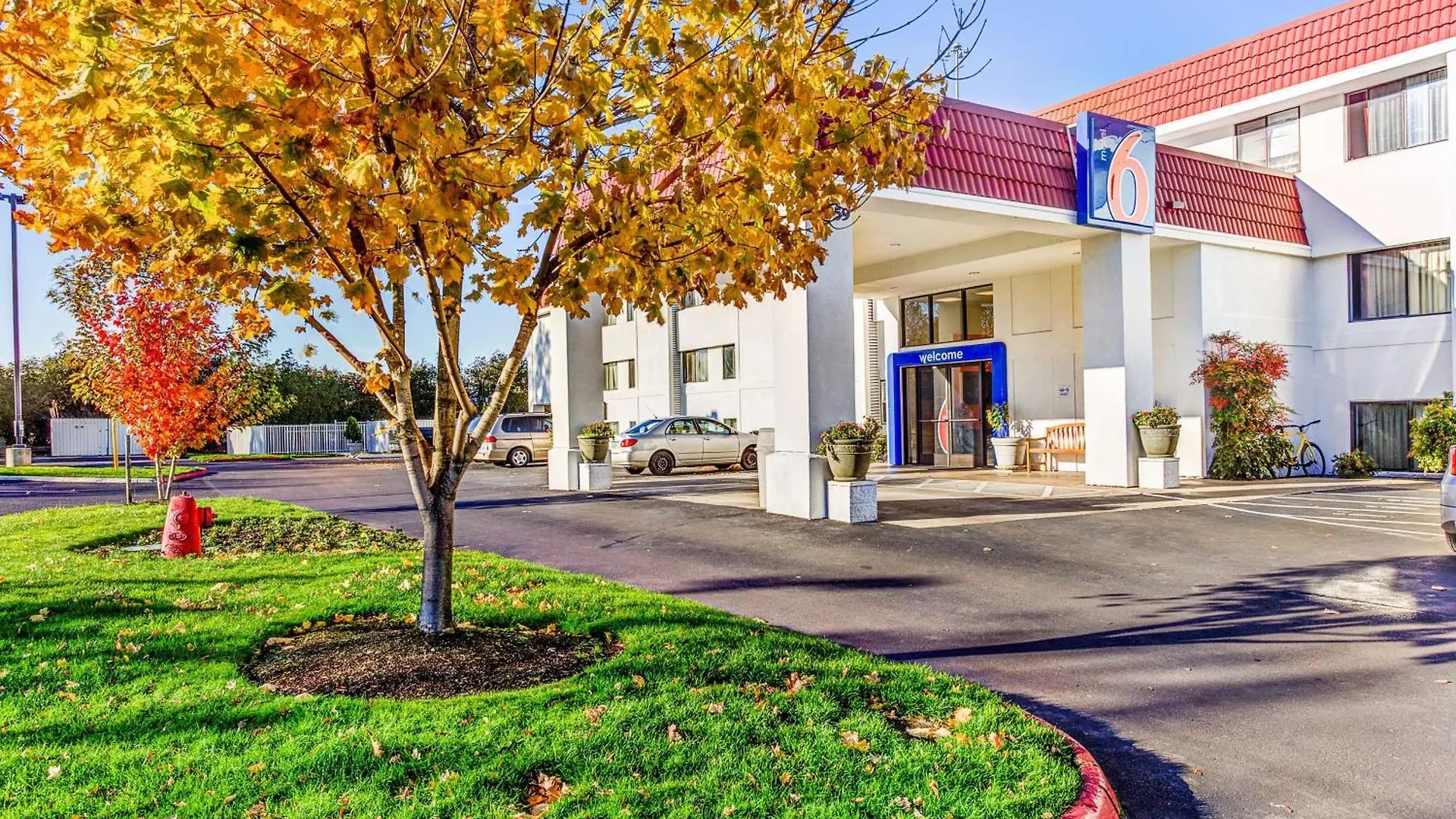
1. Motel 6-Portland, Or - Tigard West
Show on map


 Check-infrom 15:00 until 23:59Check-outuntil 11:00
Just a few rooms left at the best rate!
fromUS$ 67
-
2. Signature Inn Eugene
Show on map


 Check-infrom 15:00 until 23:59Check-outuntil 11:00
Just a few rooms left at the best rate!
fromUS$ 55
Best Premium Budget Options
These properties add meaningful amenities - breakfast, hot tubs, room microwaves, or standout geographic positioning - that make them worth the modest price step up within the budget category.
-
3. Bridgeway Inn & Suites
Show on map


 Check-infrom 14:00 until 23:59Check-outuntil 11:00
Hurry – almost gone at this price!
fromUS$ 65
-
4. Americas Best Value Inn & Suites-Forest Grove/Hillsboro
Show on map


 Check-infrom 17:00 until 23:59Check-outuntil 11:00
Rooms filling fast – secure the best rate!
fromUS$ 76
Smart Travel & Timing Advice
Willamette Valley's travel calendar splits into two distinct demand peaks that directly affect hotel pricing and availability. Harvest season from late September through November is the valley's highest-demand period - wine tourism surges, tasting rooms run ticketed events, and budget hotels in towns like Sublimity and Forest Grove often reach capacity on weekends. Book harvest-season stays at least 6 weeks in advance to secure rates before they climb. Summer (June-August) brings a secondary peak driven by university activities, outdoor events, and Pacific Coast road trippers using I-5 as their corridor. January through March is the valley's quietest window - rates dip noticeably, crowds are minimal, and last-minute bookings are realistic. A 2-night stay is the practical minimum for any Willamette Valley trip that includes winery visits and a day of regional exploration; 3 nights allows for coverage of both the northern wine subregions near Forest Grove and the southern Eugene area without feeling rushed. Travelers visiting purely for a university event or a single Portland-adjacent day can manage on a single night in Tigard.