Lowcountry, South Carolina spans a broad coastal corridor from Charleston down to Hilton Head Island, served by two main airports: Charleston International Airport (CHS) and Hilton Head Airport (HHH). Whether you're catching an early flight, arriving late after a coastal drive, or using the region as a transit base before heading deeper into the Carolina barrier islands, having the right airport hotel makes a measurable difference in your trip logistics.
What It's Like Staying in Lowcountry
Lowcountry is defined by its tidal marshes, barrier islands, and a relaxed coastal pace that stretches from the historic streets of Charleston to the resort corridors of Hilton Head Island. Getting around requires a car - public transit is minimal, and distances between attractions, airports, and beaches are substantial. Visitors who underestimate drive times often miss flights or waste vacation hours on avoidable back-tracking.
The region draws a mix of resort vacationers, history travelers, and military families (Parris Island is a major presence), which shapes everything from hotel pricing to road traffic on summer weekends. Crowd density peaks sharply in summer, particularly on Hilton Head, where around 2.5 million visitors arrive annually and beach access roads can back up significantly on Saturday changeover days.
Pros:
- Two accessible airports reduce routing pressure for multi-destination trips across the Southeast
- Wide mix of accommodation zones - urban North Charleston, suburban Goose Creek, and resort Hilton Head - gives travelers genuine choice based on itinerary
- Free parking is standard at most airport-area hotels, eliminating a major cost variable at both CHS and HHH
Cons:
- No meaningful public transport between Hilton Head, Goose Creek, and Charleston - a rental car is effectively mandatory
- Hilton Head hotels near the airport carry a resort-area price premium even for basic transit stays
- Summer heat and humidity from June through August makes walkability around most hotel zones uncomfortable beyond short distances
Why Choose Airport Hotels in Lowcountry
Airport hotels in Lowcountry occupy a practical niche that standard beach resorts simply cannot fill: they prioritize drive-time efficiency, free parking, and flexible check-in over oceanfront views. In the Charleston area, properties near I-26 and Ashley Phosphate Road put guests within around 20 minutes of both the terminal and downtown, without the $30-plus nightly parking fees common in the historic district. On Hilton Head, airport-adjacent hotels trim transit time to HHH significantly while still sitting within a short drive of the beach.
Rates at airport-zone hotels run noticeably lower than comparable beach-facing properties - often by a meaningful margin during peak season. Room sizes tend to be standard motel format with functional in-room amenities like microwaves and mini-fridges, which matter for early departures when airport food options are limited. The trade-off is atmosphere: these corridors are highway-commercial, not scenic, and travelers seeking immersive Lowcountry character should plan to drive to it rather than walk from their door.
Pros:
- Consistent free parking at most airport hotels - a real saving versus downtown Charleston or resort Hilton Head
- Grab-and-go or continental breakfast options at several properties reduce pre-flight morning logistics
- Proximity to major highways (I-26, US-278) makes multi-stop Lowcountry itineraries more manageable from an airport base
Cons:
- Commercial highway surroundings mean no walkable dining or Lowcountry atmosphere without a car trip
- Hilton Head airport hotels carry a location premium despite modest facilities compared to mainland Charleston options
- Limited late-night food access near airport corridors in both Goose Creek and North Charleston
Practical Booking & Area Strategy
For travelers using Charleston International Airport, the North Charleston and Goose Creek hotel corridor along I-26 is the most logical base - both zones sit within around 20 minutes of the terminal and offer direct highway access south toward Beaufort and Hilton Head, or north toward Myrtle Beach. Goose Creek specifically positions guests near Charleston Southern University and the Naval Weapons Station, making it a consistent choice for military-connected visitors and families in transit. For Hilton Head-bound travelers, booking a night near Hilton Head Airport on US-278 eliminates the stress of a late arrival followed by a dark, unfamiliar island drive.
Key Lowcountry attractions - Fort Sumter, Magnolia Plantation, Hunting Island State Park, and the Harbour Town Lighthouse - all require dedicated day-trip planning from any airport hotel base. Peak booking pressure hits hardest in June and July, when Hilton Head reaches near-full occupancy and even utilitarian airport hotels in North Charleston see rate increases. Travelers arriving or departing on Saturday should add extra drive-time buffer regardless of route, as resort changeover traffic on US-278 into Hilton Head is consistently heavy.
Best Value Airport Stays
These properties deliver the core airport-hotel function - proximity to terminals, free parking, and practical in-room amenities - at the most accessible price points in the Lowcountry corridor.
-
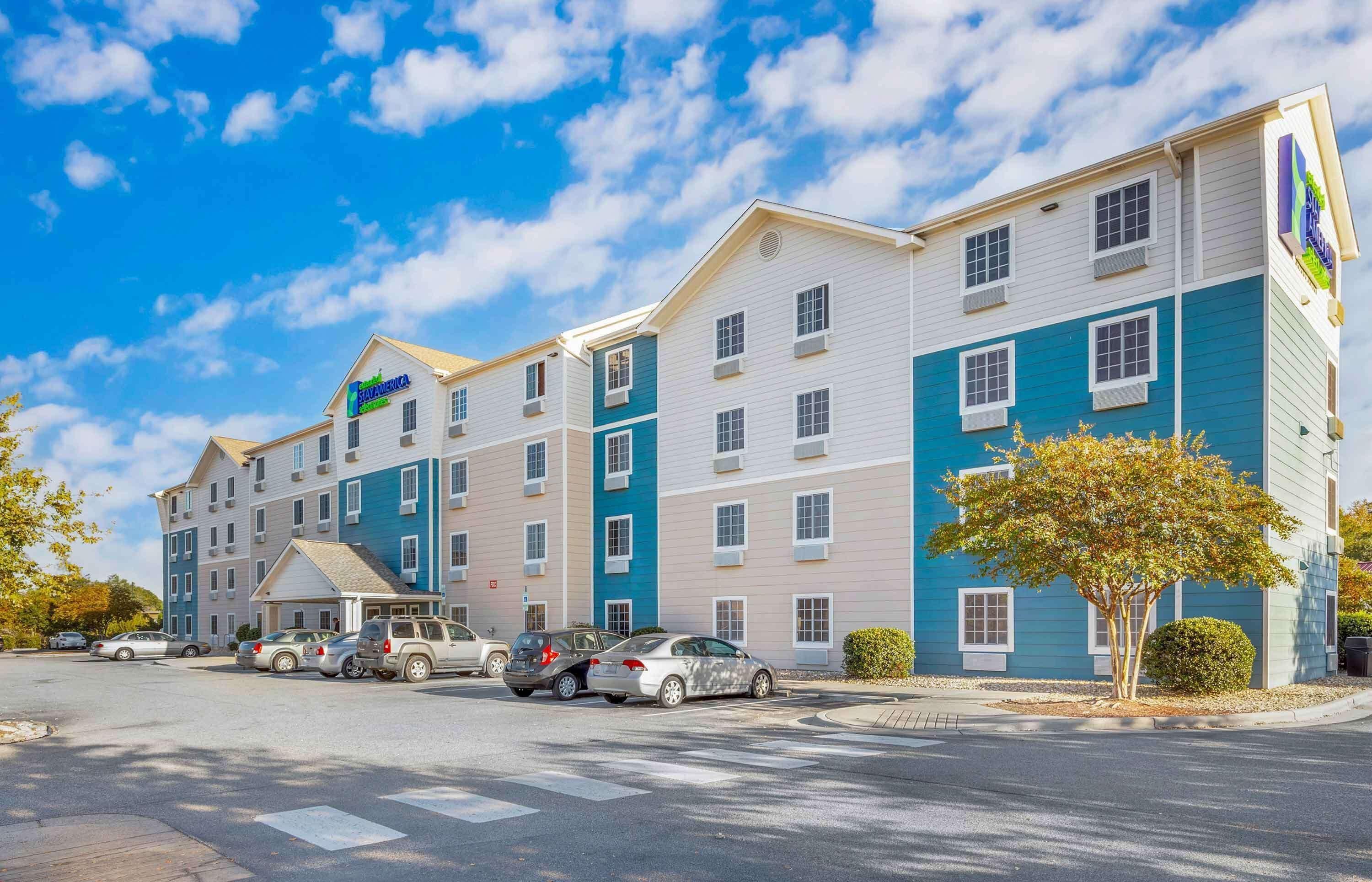
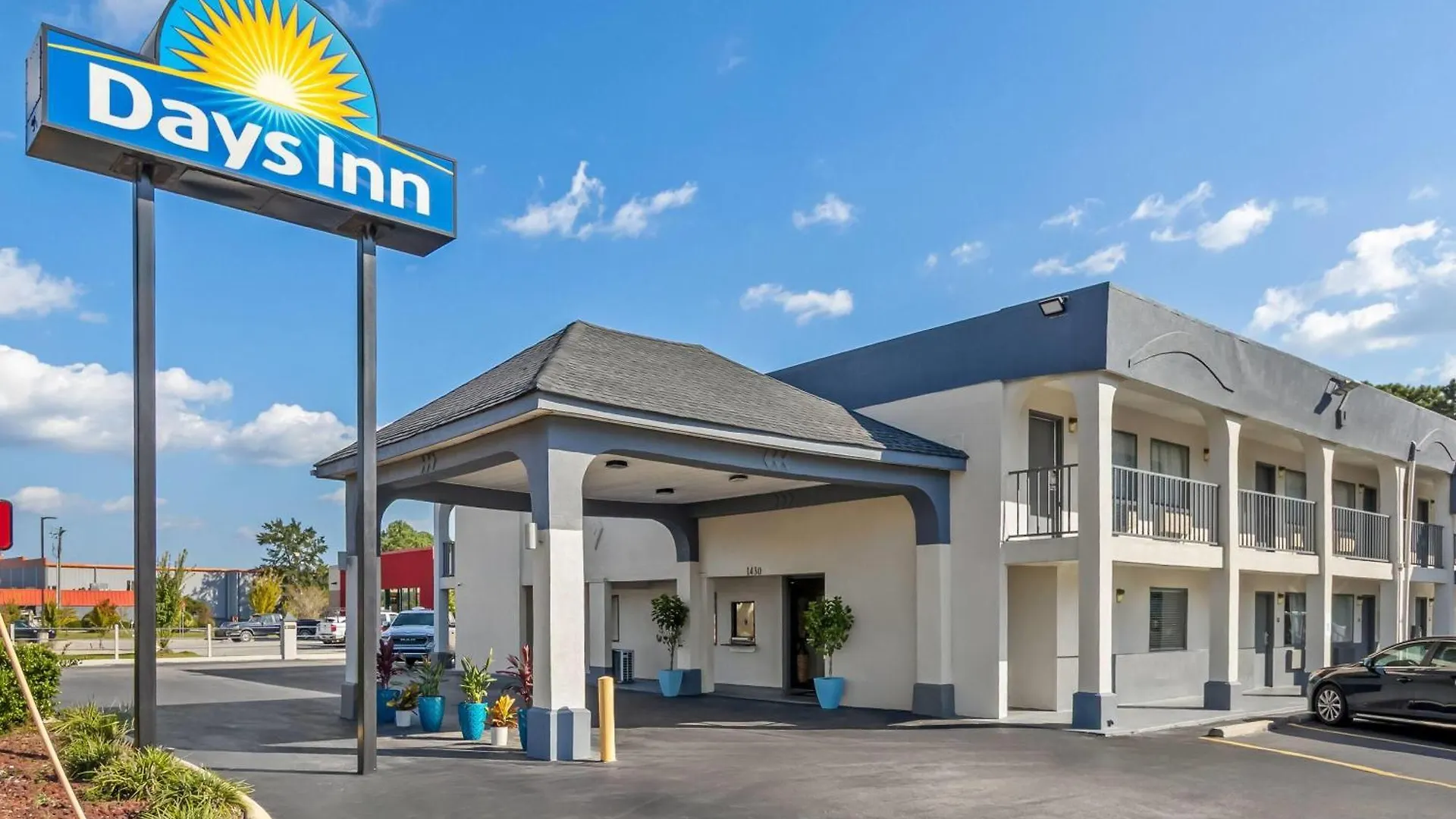
1. Days Inn By Wyndham Goose Creek
Show on map


 Check-infrom 14:00 until 23:59Check-outuntil 11:00
Just a few rooms left at the best rate!
fromUS$ 80
-
2. Quality Inn & Suites North Charleston - Ashley Phosphate
Show on map


 Check-infrom 15:00 until 23:59Check-outuntil 11:00
Just a few rooms left at the best rate!
fromUS$ 134
Best Premium Airport Options
These properties offer a stronger location advantage near Hilton Head Airport, with direct access to the island's beaches and attractions alongside the core conveniences of an airport stay.
-
3. Red Roof Inn Hilton Head Island
Show on map


 Check-infrom 16:00 until 23:59Check-outuntil 11:00
Hurry – almost gone at this price!
fromUS$ 77
-
4. 509 Barrington Court
Show on map


 Check-infrom 16:00 until 23:59Check-outuntil 10:00
Rooms filling fast – secure the best rate!
Smart Travel & Timing Advice
Lowcountry's airport hotel market follows a clear seasonal pattern: rates and availability tighten sharply from late May through August, when Hilton Head reaches near-capacity and even utilitarian North Charleston properties fill mid-week. Booking at least 6 weeks in advance for any summer travel is a firm recommendation, particularly for Hilton Head-adjacent properties where inventory is smaller. Shoulder seasons - March through early May and September through October - offer the best combination of manageable weather, lower rates, and reduced road congestion on the island causeways.
For travelers using Charleston International Airport, a Sunday or Monday arrival typically yields the lowest nightly rates in the Goose Creek and North Charleston corridor. Saturday arrivals into Hilton Head are the most expensive and logistically stressful due to resort changeover traffic on US-278 - if flexibility exists, a Friday or Sunday arrival is measurably smoother. A single night at an airport hotel is sufficient for pure transit use; travelers planning to explore Lowcountry properly should budget at least 3 nights to cover Charleston's historic district, the Beaufort coast, and Hilton Head without feeling rushed between drives.